Understanding and Managing Radon in Basement Spaces
If you own a home with a basement, you have probably heard something about radon by now. But there is a big difference between knowing radon exists and knowing what it actually means for your family. I have spent years in the field testing homes and designing mitigation systems, and I can tell you that the presence of radon in basement levels is one of the most common issues I see. It is also one of the most fixable, provided you approach it with the right information.
Radon is a radioactive gas that comes from the natural decay of uranium in soil and rock. It moves up through the ground and enters buildings through cracks in foundations, gaps around pipes, and openings in the floor slab. Because basements are the lowest living space in a house, they are where radon concentrations tend to be highest. That is why the phrase radon in basement comes up so often in real estate transactions and home inspections. It is not a scare tactic. It is a legitimate concern that requires a practical response.
How Radon Gets Into a Basement
The mechanics are straightforward. Soil gas is drawn into a house because the indoor air pressure is slightly lower than the pressure in the soil beneath the foundation. This pressure difference, combined with the stack effect of warm air rising through the house, pulls radon-laden air through any available opening. Common entry points include floor cracks, sump pits, utility penetrations, and the joint between the wall and the floor slab. In homes with a gypsum concrete subfloor, the porous nature of that material can also allow radon to migrate upward into the finished space.
One of the most important things to understand is that radon levels vary widely from house to house, even within the same neighborhood. The EPA radon zone map gives a general picture of risk by county, but it is not a substitute for actual testing. St. Louis radon hot spots, for example, do not follow a simple pattern. You can have two homes built side by side with very different readings. That is why relying on a neighbor's test result or a county-level map is not enough.
Testing Is the Only Way to Know
There are two main approaches to testing for radon in basement spaces. The first is a short-term radon test, which typically stays in place for two to seven days. These are inexpensive and widely available at hardware stores or through state radon programs. They give you a snapshot of the radon level during the test period, but they can be affected by weather, ventilation, and seasonal changes. A short-term test is a good starting point, but it should not be your only source of information if you are making a decision about mitigation.
The second approach is a continuous radon monitor. This is an electronic device that records radon levels over time, often for weeks or months. It gives you a much clearer picture of the average concentration and how it changes from day to night and from one weather system to the next. I recommend a continuous monitor for anyone who is serious about understanding their exposure. The data from a continuous monitor can also help a radon mitigation contractor design a system that matches the specific behavior of your home.
Comparing Radon Levels in the Midwest
St. Louis sits in a region where radon is a persistent issue, but it is not alone. Kansas City radon levels are comparable in many areas, and the geology across Missouri and Illinois produces similar challenges. That said, local soil conditions, foundation types, and construction practices create enough variation that each house needs to be evaluated individually. I have tested homes in St. Louis County that showed readings above 20 picocuries per liter, while a house two blocks away measured below 2. The only way to know your situation is to test.
If your test results come back above the EPA action level of 4 picocuries per liter, you need a mitigation plan. Do not panic. Radon in basement levels above that threshold is a solvable problem. The key is to hire a qualified professional who follows established protocols and uses proven methods.
Mitigation Strategies That Work
The most effective approach for most basements is sub-slab depressurization. This involves creating a suction point beneath the concrete floor and venting the soil gas to the outside. A typical system includes a sump pit or a hole cut through the slab, a PVC vent pipe that runs from that pit up through the house to the roof, and a radon mitigation system fan installed in the attic or on the exterior wall. The fan creates negative pressure under the slab, which prevents radon from being drawn into the house and instead vents it safely above the roofline.
There are variations on this design. A passive sump system relies on natural air movement and the stack effect to vent radon without a fan. These can work in some homes, but they are less reliable than an active soil depressurization system, especially in colder climates where the stack effect is stronger in winter and weaker in summer. In most cases, I recommend installing an active system with a fan from the start. The cost difference is modest, and the performance is much more consistent.
For homes under construction, radon-resistant new construction techniques can eliminate the problem before it starts. This typically involves placing a layer of clean gravel beneath the slab, a vapor barrier, and a vent pipe that can be activated later if needed. Retrofitting an existing home is more involved, but the same principles apply.
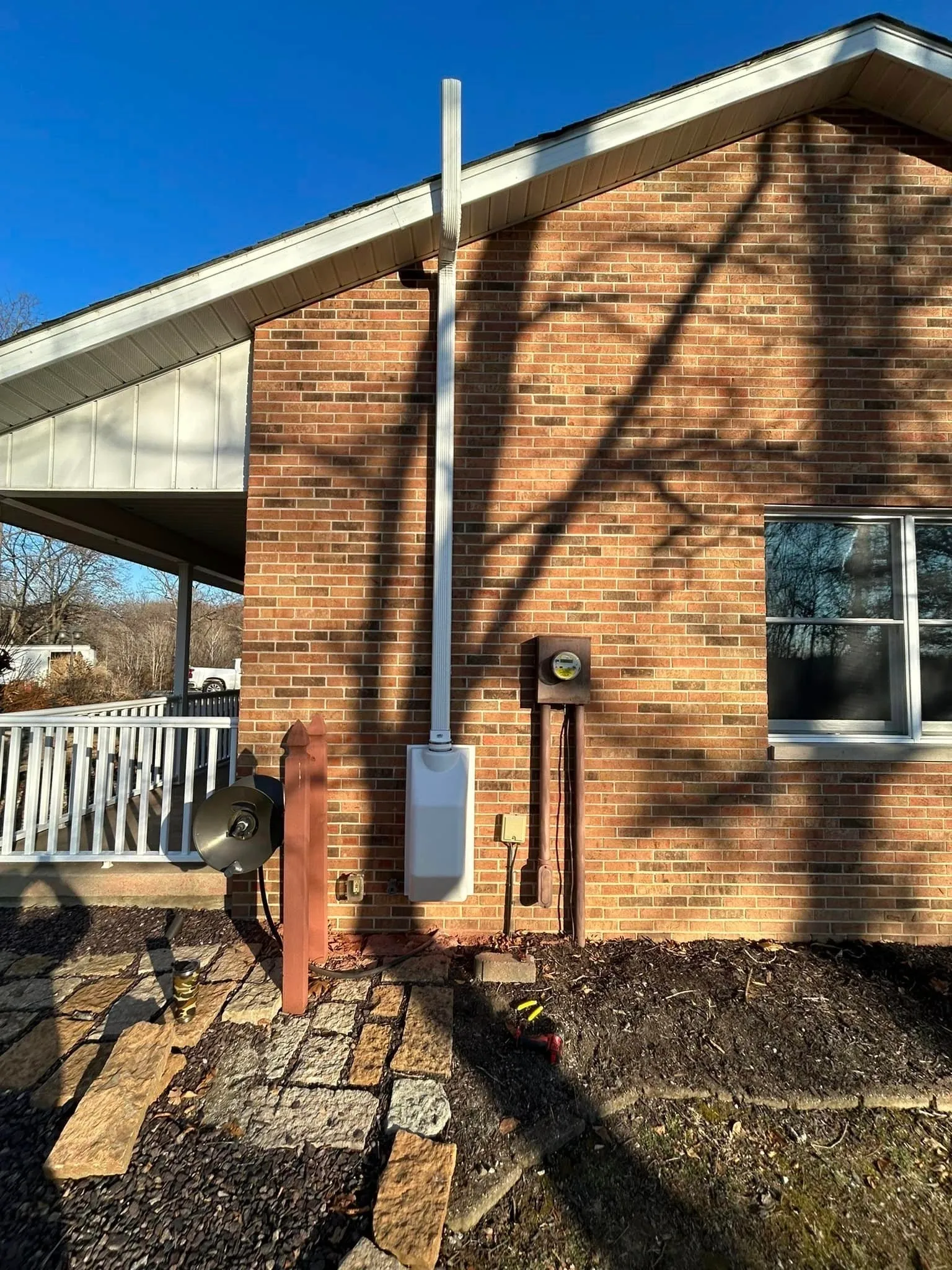
What Happens After Mitigation
After a mitigation system is installed, the work is not done. A post-mitigation radon test is essential to confirm that the system is performing as designed. This test should be conducted under normal living conditions, with the fan running and the house closed up as it would be during a typical winter day. The test results should show a significant reduction, ideally well below the action level.
A good radon mitigation contractor will also provide a radon mitigation system warranty that covers the equipment and the workmanship. The fan itself is a mechanical component that will eventually need replacement, and the warranty gives you peace of mind. I have seen systems that have been running for fifteen years without a problem, but I have also seen fans fail after three. A warranty protects your investment.
It is also important to remember that radon is not the only concern. Radon gas decay products are the actual radioactive particles that attach to dust and can be inhaled. The decay products are what cause the health risk, not the gas itself. That is why ventilation and air cleaning can sometimes help, but they are not substitutes for source removal. An air exchanger can dilute radon levels in a home, but it also increases energy costs and may not bring levels down enough on its own.
Additional Considerations
If you have a private well, you should also consider radon in water testing. Radon can enter the home through showering, washing dishes, and other water uses. The risk from water is generally lower than the risk from soil, but it can still contribute to the overall radon level in the home. A certified lab can test your water and tell you if treatment is needed.
When you hire a professional, look for someone who is certified through the National Radon Proficiency Program. That certification means they have passed an exam and follow industry standards. It is not a guarantee of good work, but it is a useful starting point. Ask about their experience with your type of foundation and their approach to testing before and after the work.
One final point: radon in basement spaces is often the most dramatic example of the problem, but radon can also enter through crawl spaces, slab-on-grade foundations, and even through block walls. Do not assume that a basement is the only concern. If your home has any area that is in contact with the soil, it deserves a test.
The bottom line is that radon is a natural phenomenon, not a sign of a defective home. With proper testing and the right mitigation system, you can reduce your exposure to levels that are well within safety guidelines. The first step is simple: test your basement. The next step is to act on what you learn.